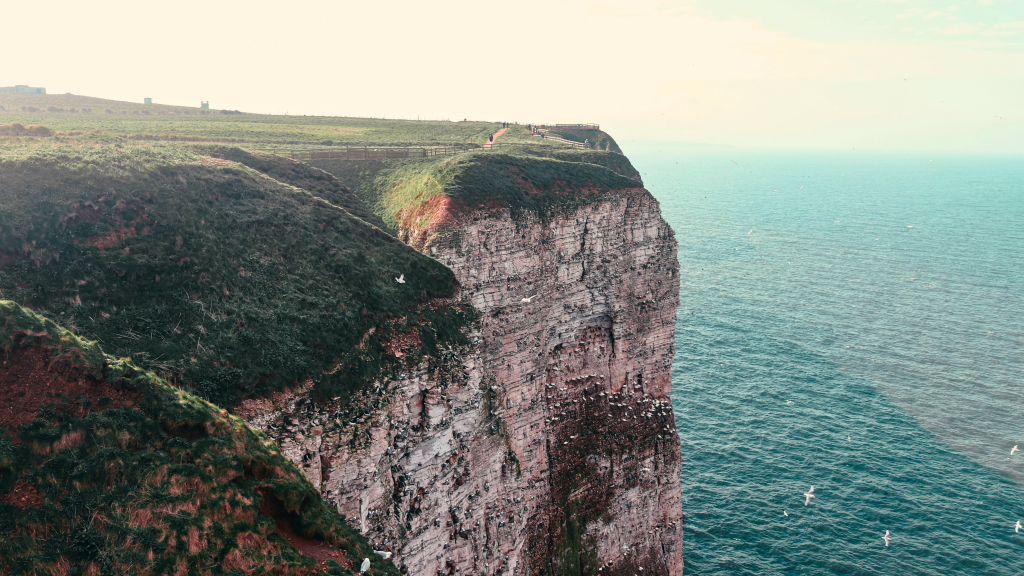
You’ve packed the car and cleared the weekend; now you just need somewhere to point it. The UK has more nature reserves within easy reach than most people assume, from clifftop seabird colonies to quiet wetlands twenty minutes off the motorway.
In our recent study, we’ve analysed data to find the best-kept secrets across the UK, from wild swimming spots and quiet beaches to hiking trails and mountains. In this guide, we cover how to find a nature reserve near you, what actually sets an RSPB reserve apart, and ten of the best across England, Scotland and Wales worth building a road trip around.
What is a nature reserve, and why it’s worth the detour
A nature reserve is land set aside to protect wildlife, habitats or geological features, usually with public access built in so people can see it without disturbing it. That’s the real difference from an ordinary country park: the wildlife comes first. Trails, hides and car parks are designed around it, not the other way round.
That makes reserves an easy add to any road trip. You don’t need specialist gear or expert knowledge to get something out of a visit. An hour by a reedbed hide with a pair of binoculars is often enough to see otters, birds of prey or a seabird colony most people never encounter.
How to find the best nature reserve near you
Searching “nature reserve near me” tends to surface whatever’s closest, but closest isn’t always best. A few things are worth checking before you commit a day to it.
Check accessibility and parking
Some reserves have generous car parks and step-free boardwalks. Others are a farm-track walk from the nearest layby. Check the reserve’s own website rather than a map listing, since access details shift with the seasons and the weather.
Match the reserve to the season
Wetland reserves come alive in winter with migrating wildfowl. Woodland and heathland reserves peak in spring and early summer, when breeding birds and wildflowers are at their best. Time coastal seabird cliffs for the breeding season, usually spring into midsummer.
Look for amenities if you’re visiting with family
Heading out with children? Prioritise reserves with a visitor centre, café and an easy circular trail. A hide close to the car park means younger visitors see something worthwhile before they’ve had the chance to get bored of walking.
RSPB reserves: what makes them different
If you’ve searched “rspb near me,” “rspb reserve,” or “rspb nature reserve near me,” here’s what you’re actually looking for. The RSPB, the Royal Society for the Protection of Birds, is the UK’s largest nature conservation charity. It manages more than 200 reserves across the country, from Shetland to Cornwall.
What separates an RSPB reserve from a Wildlife Trust or National Trust site is the focus. RSPB reserves are chosen and managed specifically for their bird populations, though most support plenty of other wildlife alongside them. Facilities tend to be consistent from site to site too: hides, waymarked trails, and at the larger reserves, a visitor centre and café. That consistency is useful if you’re visiting somewhere new. For the most accurate, current picture, including seasonal access changes and events, use the RSPB’s own reserve finder rather than a generic map search.
The best nature reserves in the UK
Nature reserves across Britain span coastline, wetland, moorland and ancient forest, and no single region has a monopoly on the best of them. These ten are spread across England, Scotland and Wales, and each one offers something different enough to be worth the detour.
RSPB Minsmere, Suffolk
Minsmere, on the Suffolk coast near Saxmundham, is one of the RSPB’s oldest and most-loved reserves. Its mix of woodland, reedbed, heath and beach supports thousands of recorded species, including avocets, marsh harriers and bitterns, and the wildlife here is good enough to have hosted the BBC’s Springwatch more than once. Nine hides cover the different habitats, so it rewards a full day rather than a quick stop.
There’s a large on-site car park at the visitor centre, though non-members should expect a small parking charge.
RSPB Bempton Cliffs, Yorkshire
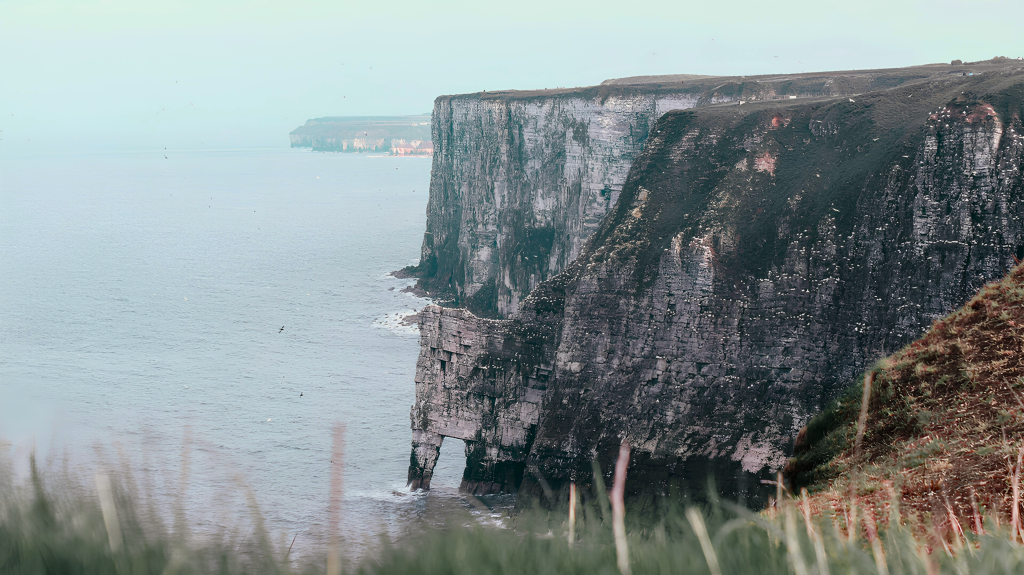
Bempton’s chalk cliffs hold the largest gannet colony on the English mainland, alongside puffins, guillemots and kittiwakes. Six safe clifftop platforms get you genuinely close without any risky scrambling. Go in spring or early summer, when the cliffs are at their loudest and busiest.
The visitor centre car park fills up fast on sunny weekends in season, so arrive early if you can.
RSPB Leighton Moss, Lancashire
This is the largest reedbed in north-west England, and reliably the best RSPB site for spotting otters. Ospreys and hobbies pass through in summer, and the saltmarsh next door holds breeding avocets and large numbers of black-tailed godwits.
The main car park has 90 spaces plus a smaller accessible car park by the visitor centre, though there’s a separate saltmarsh car park a mile away for the hides overlooking Morecambe Bay.
RSPB Arne, Dorset
Set on the Purbeck peninsula overlooking Poole Harbour, Arne combines heathland, woodland and wetland across more than 500 hectares. It’s one of the few places in the UK where all six native reptile species turn up, and at dusk the heathland fills with the odd, churring call of nightjars.
Parking is pay and display for non-members, though the charge is bundled into the admission price rather than billed separately.
The Knapp and Papermill Nature Reserve, Worcestershire
Set in the Teme Valley near Alfrick and highlighted in our recent study of the UK’s best hidden gems, this Worcestershire Wildlife Trust reserve began life as six hectares of donated orchard and woodland in 1968 and has since grown into 39 hectares of meadow, woodland and stream. More than 30 butterfly species have been recorded here, and the bat population is unusually strong, with eleven of the UK’s seventeen breeding species using the site. There’s a picnic area near the entrance, and the old orchard is worth slowing down for: nuthatches and green woodpeckers both favour the lichen-covered trees.
Parking is genuinely limited here, so it’s worth arriving outside peak weekend hours if you can.
Loch Leven, Scotland
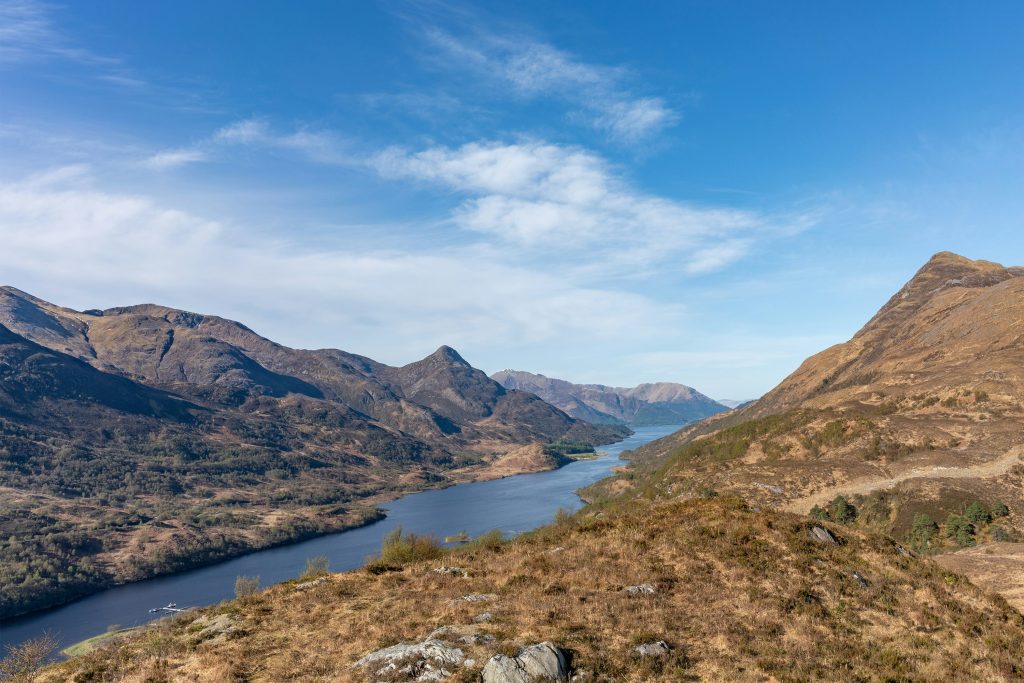
On the shores of Loch Leven in Perth and Kinross, this reserve pairs woodland and wetland habitats with views across the loch that are hard to rush past. It’s an easy add-on if you’re travelling through central Scotland anyway, with guided walks and a nature hub if you want more detail on what’s currently being seen.
There’s a 100-space car park at the RSPB visitor centre with EV charging points, plus further parking around the loch at Kinross, Burleigh and Findatie if that one’s full.
RSPB Loch Garten, Cairngorms
Part of the RSPB’s Abernethy Forest reserve in the Cairngorms, Loch Garten sits inside Britain’s largest remaining stretch of Caledonian pine forest. Ospreys have bred here for nearly seventy summers, and the site still draws tens of thousands of visitors a year. Red squirrels and crested tits are common enough around the visitor centre that you’ll probably spot one without trying.
There’s a car park at the visitor centre, just a short walk from the nest-watching hide.
If you’re bringing the kids and making a longer trip of it, our guide to things to do in Scotland with kids has more ideas for the rest of the drive.
RSPB Frampton Marsh, Lincolnshire
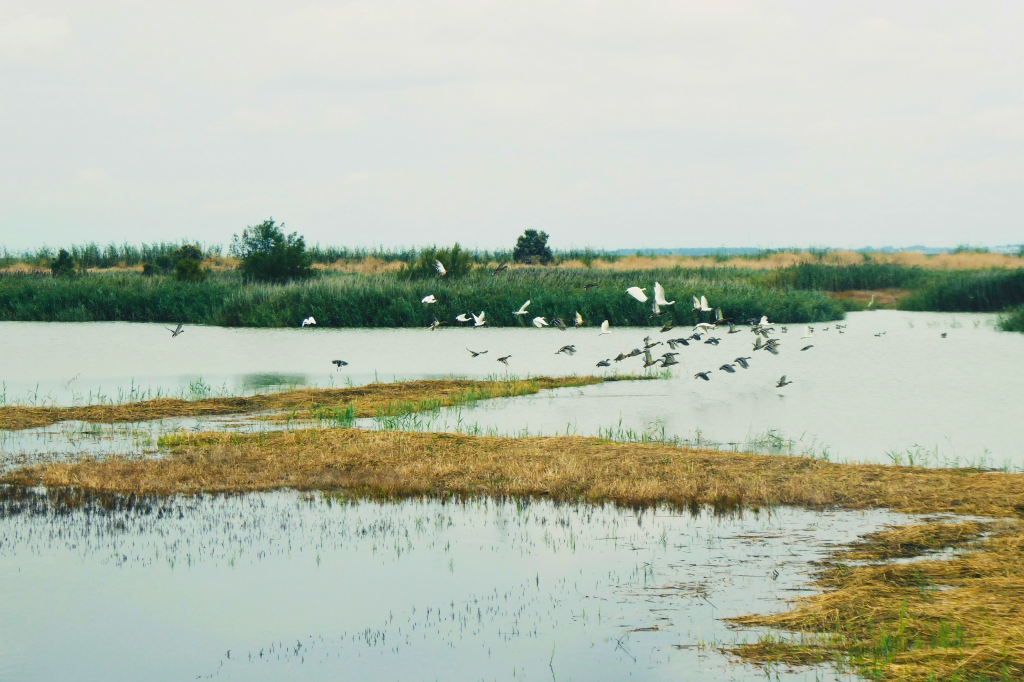
An under-visited stretch of the Lincolnshire coast that quietly ranks among the best birdwatching sites in the UK. Look for avocets foraging on the scrapes, hen harriers hunting over the grassland, and hares boxing in the fields come spring.
Parking is free and right at the visitor centre, with a handful of Blue Badge bays close to the entrance.
Red Rocks Nature Reserve, Wirral
On the Wirral coast near Hoylake, Red Rocks is Cheshire’s only stretch of coastal nature reserve, and it holds the peninsula’s sole breeding colony of natterjack toads. Migrant birds pass through in large numbers each spring and autumn, with over 200 species recorded here altogether. It’s a small site, just a few hectares, but the sand dunes and reedbed pack in more than most reserves twice the size. It also features in our recent study of the UK’s best hidden gems!
There’s no dedicated car park, so plan on street parking near Stanley Road in Hoylake and check the Cheshire Wildlife Trust site for current access advice.
Ramsey Island, Pembrokeshire, Wales
Off the Pembrokeshire coast near St Davids, Ramsey Island has sea cliffs up to 120 metres tall and a serious claim to being one of the best RSPB reserves for breeding seabirds: choughs, guillemots, peregrines and ravens among them. It’s boat access only, running through summer and closed over winter, so it needs a bit more planning than the rest of this list.
Park at St Justinian, just outside St Davids, where the boat departs, since there’s nowhere to leave a car on the island itself.
If a dip afterwards sounds appealing, our guide to hidden wild swimming spots in Wales covers a few spots not far from here.
Tips for planning your nature reserve road trip
What to pack for a day at a nature reserve
Binoculars make the biggest difference, followed by decent footwear: boardwalks and hide paths are muddy more often than the forecast suggests. Pack layers, since coastal and wetland reserves run noticeably colder than inland ones, and bring a picnic if the reserve doesn’t have a café, because some of the more remote sites don’t.
Best time of year to visit
Spring and early summer suit almost every reserve type, with breeding birds, wildflowers and longer daylight all working in your favour. Winter is worth prioritising specifically for wetland reserves, when migrating wildfowl arrive in large numbers.
Getting there: parking, access and nearby fuel stops
Rural reserves are often some distance from the nearest fuel station, so top up before you leave the main road. Confirm car park opening times directly with the reserve, since some close earlier than the reserve itself, particularly in winter.
Plan Your Nature Reserves Roadtrip with SIXT
With a variety of SIXT branches conveniently located across the country, including popular cities like Birmingham, Bristol, Edinburgh, Glasgow, Inverness, Liverpool, London and Manchester, car hire is a great way to ensure flexibility on your trip to one of the UK’s best nature reserves. With a range of premium vehicles to pick from, you’ll be able to find the ideal vehicle for your needs. That means you can explore at your own pace, making it easy to discover even the most remote natural landscapes along the way.